
Plush bears were officially named 'Teddy' after the President’s nickname, marking the birth of the Teddy Bear and its immense popularity. Subsequently, German toy manufacturer Margarete Steiff and American businessman Morris Michtom began mass-producing them. After over a century of history, some see the Teddy Bear as the embodiment of love and dreams, while for others, it is the perfect fusion of art and healing. Since then, 'Teddy Bear' has become a household name, enduring for a hundred years without fading.
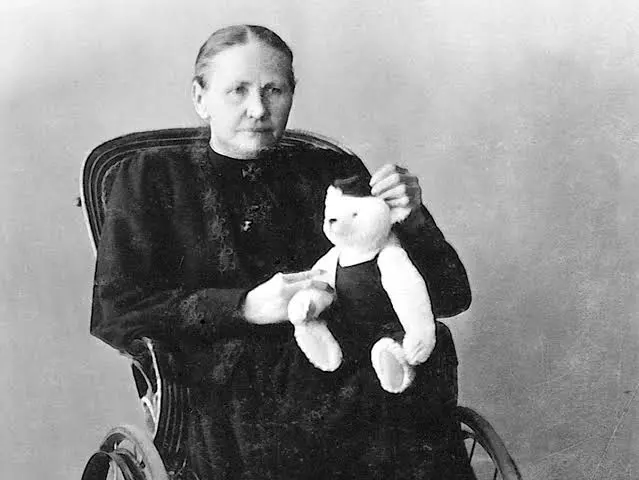
瑪格麗特·史陸
(Margarete Steiff)
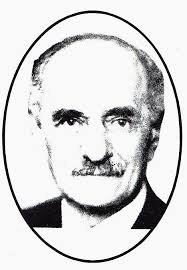
莫里斯·米歇爾
(Morris Michtom)
The evolution of the Teddy Bear
Germany, the United States, and the United Kingdom.
The Early Era (1900s - 1920s)
Germany: In 1903, the Steiff company began producing toy bears with mechanical joints, featuring a more realistic appearance.
United States: In 1903, inspired by a cartoon of President 'Teddy' Roosevelt, Morris Michtom created the very first Teddy Bear.
United Kingdom: After being introduced from Germany in 1909 and following the end of World War I, Britain began manufacturing its own plush bears—featuring rounder faces and shorter limbs.
Germany, the United States, and the United Kingdom.
The Mid-20th Century (1945–1950s)
Materials: After World War II, manufacturers began using more synthetic materials. In 1954, the first wash-friendly teddy bear was produced.
United Kingdom: The post-war market revived, but many companies went bankrupt. This era saw the emergence of inexpensive, washable, and non-jointed teddy bears.
France: Many companies went bankrupt after the war, but traditional bear-making firms continued their production.
Japan
The 1950s
Early production was coarse, and mechanical bears began to emerge.
Global
Nowaday
Materials: Modern teddy bears use a wider variety of fabrics, such as plush or terry cloth. Fillings include synthetic fibers, stuffing, cotton, straw, and plastic pellets.
Technology: Some modern plush toys incorporate technology, allowing them to move or interact with people.
Design: Modern teddy bears feature a wide range of styles, with Japanese designs often trending towards the 'kawaii' or cute aesthetic.
Market: Many modern designs are tied to licensed characters, yet the classic animal form remains widely popular.